
MEET CALEB
As dawn breaks, Caleb navigates the competitive bustle alongside other buyers for the best overnight catch. Together with his wife, Caleb goes to the lakeside every morning to purchase ingredients for his stall at Sinyolo Market in Kisumu. Today, they have 72 dollars of product to strap to their motorbike.
Caleb saves on lakeside gutting costs by preparing the day’s catch himself, and when they’re on school holidays, his children get involved too. This is about passing on valuable skills and mindsets; the children learn about how to prepare fish, and so too do they learn about resilience and resourcefulness. For 18 years, Caleb has spent his mornings buying and preparing fish this way.
“Gutting the fish at the lakeside usually costs me four dollars, but with the kids at home for holidays, I save that amount and transfer the skills to my children.”
Caleb
Back at his stall in the market, and after salting and deep frying, Caleb meticulously sorts and displays fish according to size and type. With other vendors preparing and selling food all around him, Caleb works hard to satisfy his customers and sell everything he buys in the morning.
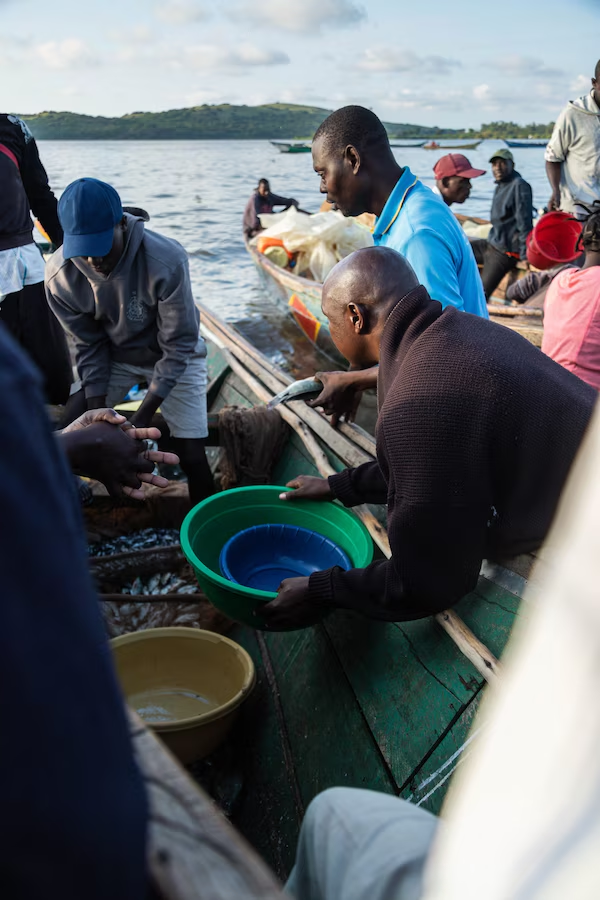
Caleb Ageng’o hustles with other buyers to get the best fish from fishermen who have been fishing through the night.
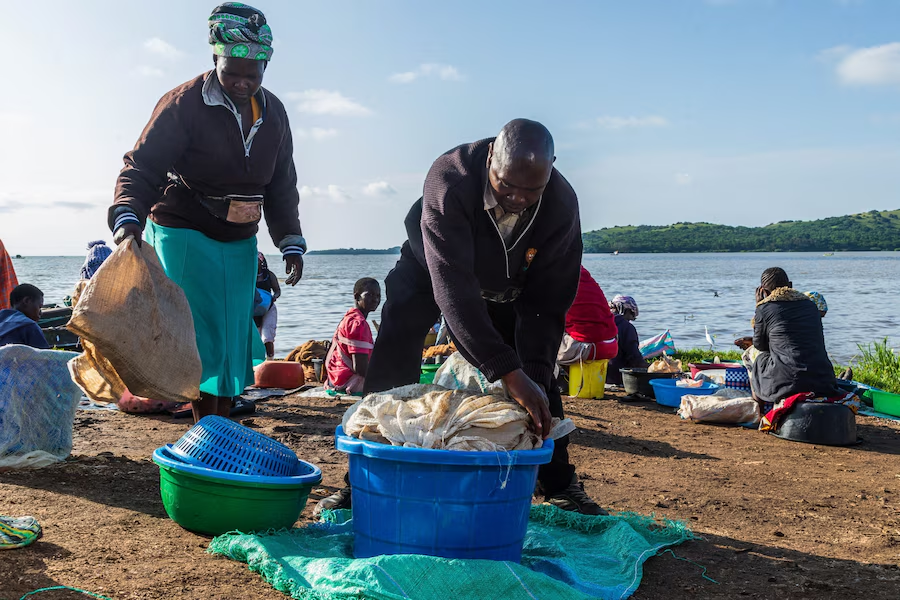
“This task cannot be done single handedly, so I bring my wife along for us to meet our projected target”
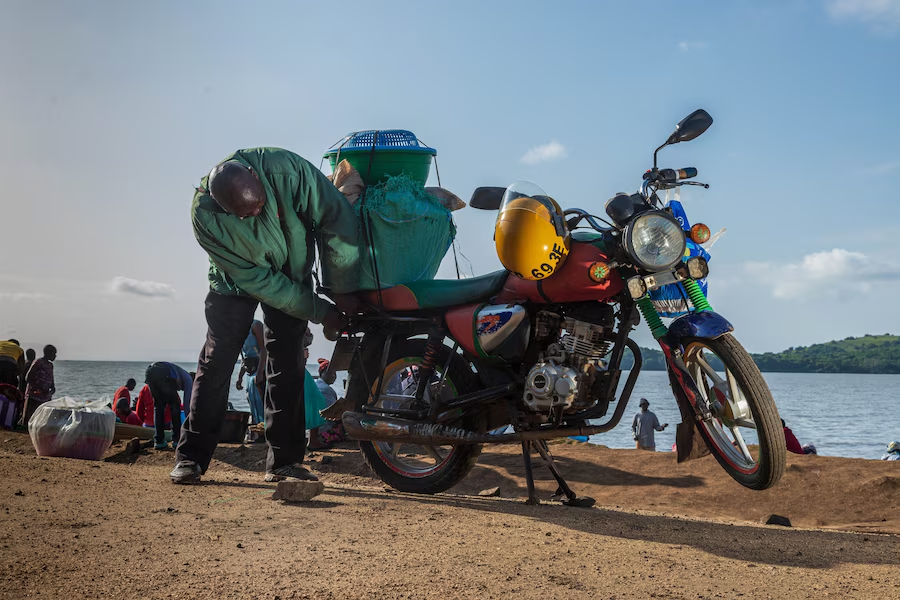
Caleb loads his days purchase, of about 72 dollars.
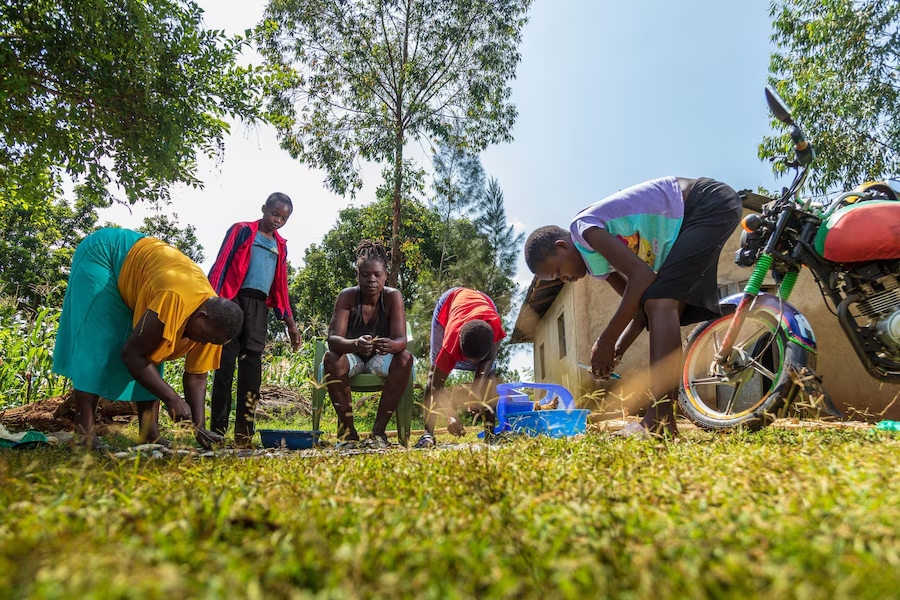
“Gutting the fish at the lakeside costs me four dollars but with the kids at home for holidays, I save that amount.”
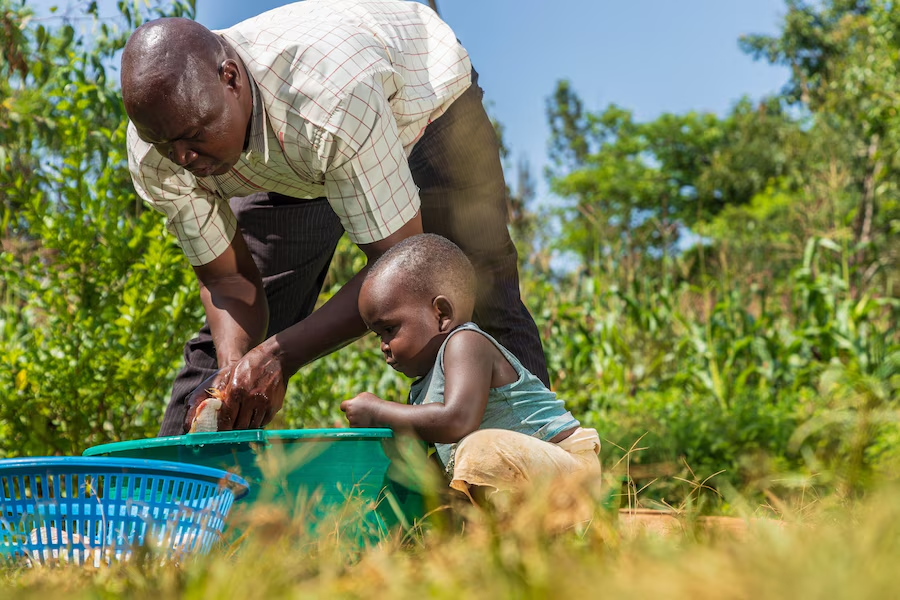
“Besides saving from skiping contracted gutting, I transfer the skills to my children”
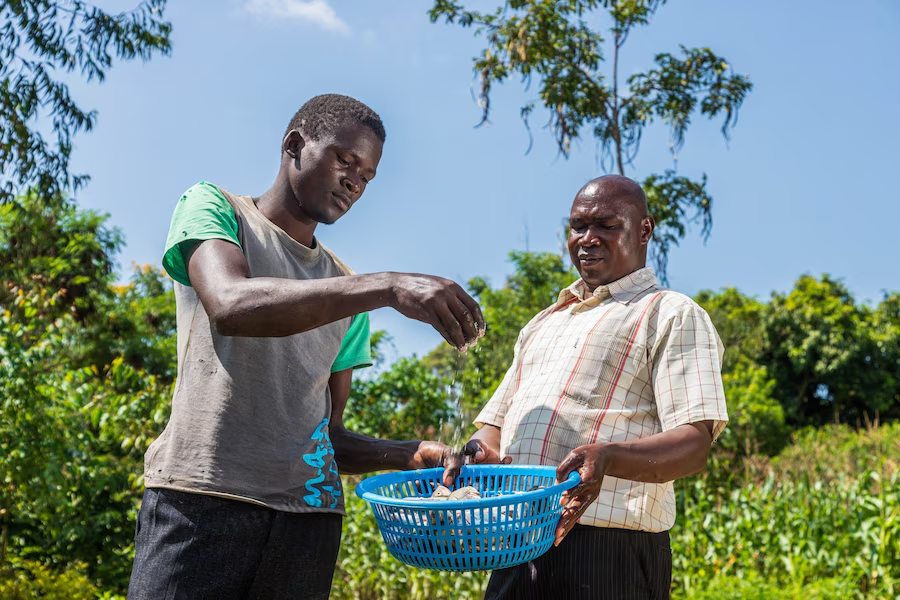
Caleb’s first son, John Omondi, salts the fish.
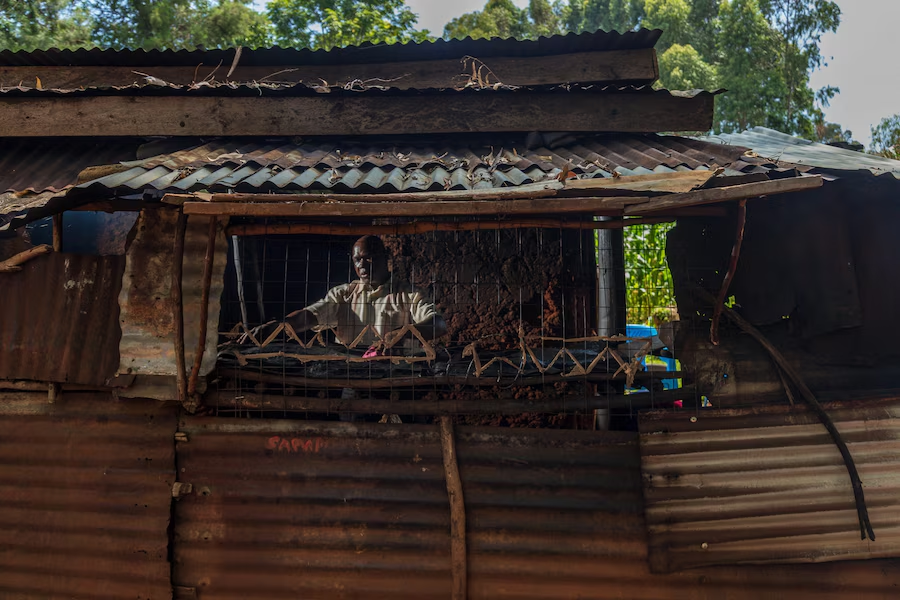
Caleb cleans his stall in readiness for his customers.
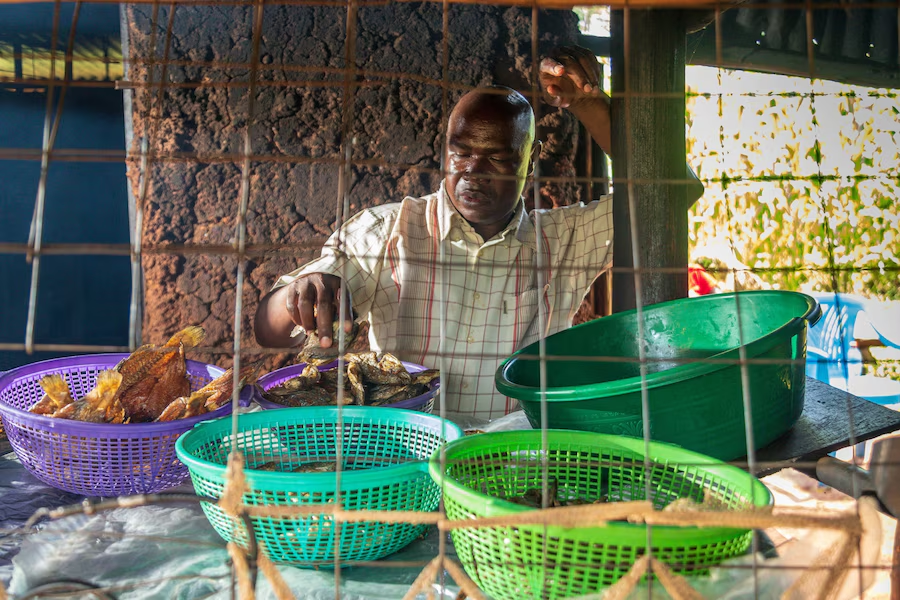
Caleb puts up his display, sorting the fish according to size and type.
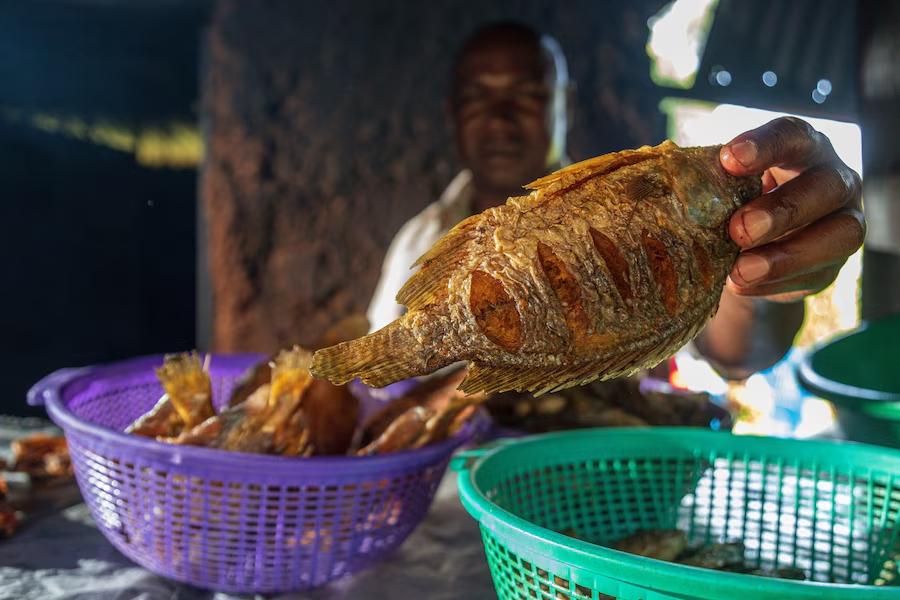
The fish is ready for the plate.

Caleb serves a customer at his stall at Sinyolo Market, West Kisumu Ward.

“I made a decision to start this business, over 18 years ago to cater for my family.”
The importance of the informal economy in Kenya cannot be overstated; it accounts for 24% of Kenya’s GDP and also employs five times more workers than the formal economy.
TRANSFORM has been working to understand the current realities and future possibilities for the millions of entrepreneurial Kenyans who hustle to sustain livelihoods across the informal economy (read more about the context of the work here).
Brink, Procol Africa, Busara, Laterite, Ideas Unplugged, and TRANSFORM have collaborated throughout to deliver this work, alongside hundreds of ecosystem actors and informal economy entrepreneurs.
These blogs offer an insight into the lives of some informal workers we spoke to over the course of the project, told through images.
Area of focus
Future of work
Geography
Kenya
Share this material


