MEET PAUL
Every part of a coconut tree is valuable. From their timber to their coconuts, every one of Paul’s 240 coconut trees plays an important part in creating a sustainable source of livelihood for his household.
Paul’s journey as a coconut farmer began when he was a “shamba boy” – a young farm assistant. After years of hard work and training, Paul now owns and manages 3.5 acres of land in Mombasa.
Paul’s farm leaves nothing to waste; he produces palm wine, materials for making brooms, and more. Together with his employee Hassan, who fearlessly ascends heights of 30 meters and beyond to collect palm water, Paul’s farm produces a range of products for his household and community.
“Palm water is harvested both in the morning and evening and then it is fermented to produce palm wine.”
Paul
The delicate nature of coconut trees, especially when young, requires careful and skilled attention, and Paul closely inspects and maintains his trees to prevent infestations and ensure optimal growth. Despite the challenges inherent in coconut farming, such as seasonal variations in palm water yield, Paul remains committed to his business and dreams of expanding.
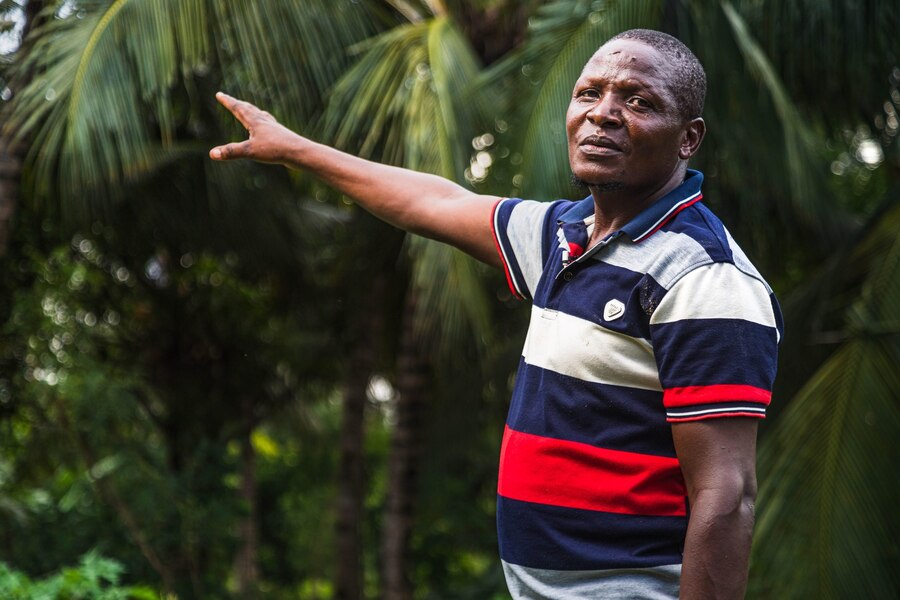
Paul has successfully supported his family by engaging in coconut farming.
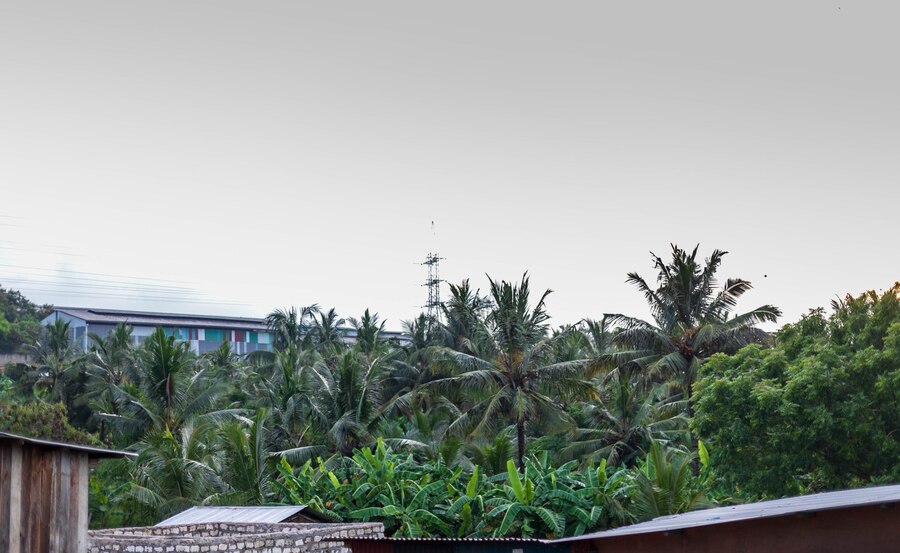
Paul’s coconut farm spans across 3.5 acres of land providing for him and his family.
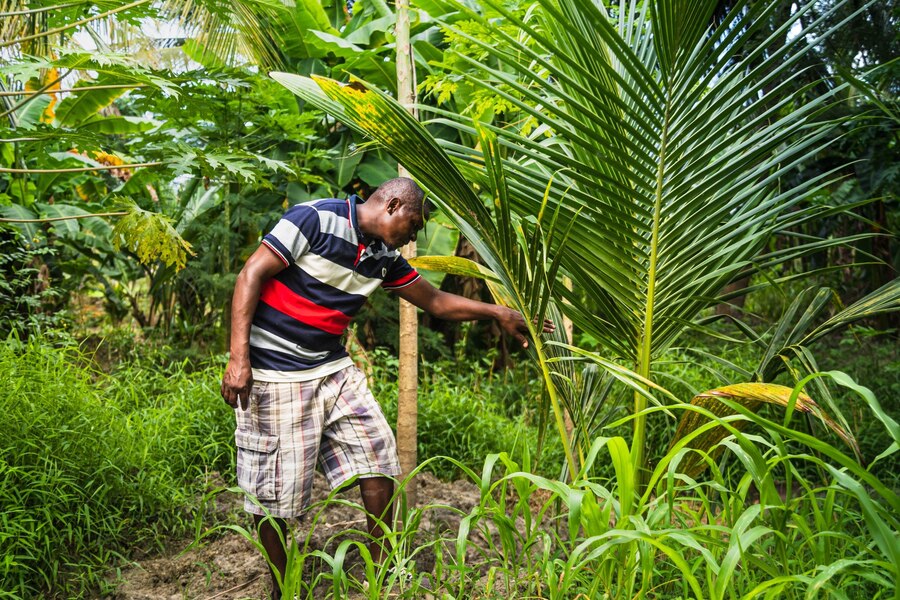
Paul carefully inspects his coconut trees, recognising their delicate nature when young. If infested, their growth can be stunted.
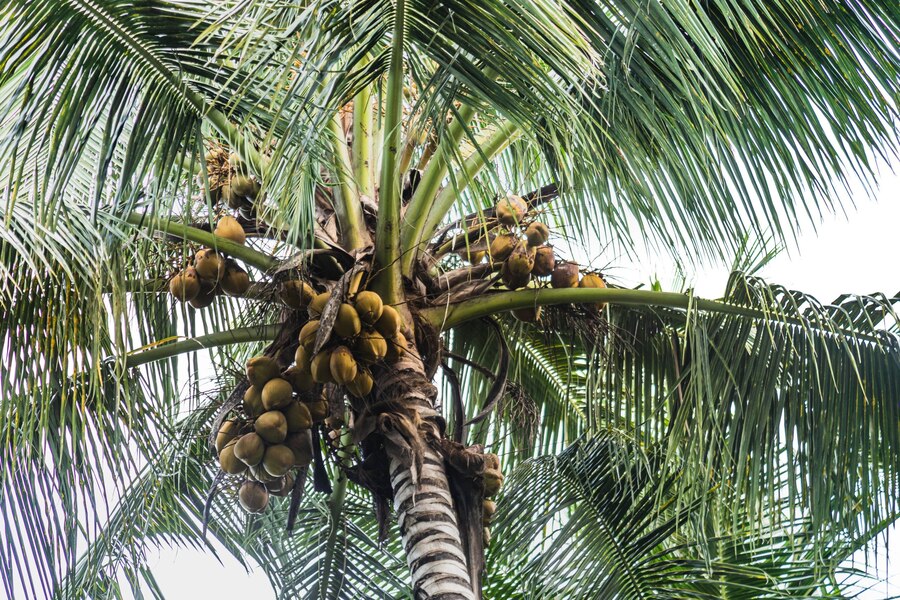
A coconut tree is a valuable resource, as every part is utilized. It provides timber, coconuts, palm wine, and materials for making brooms, leaving nothing to waste.
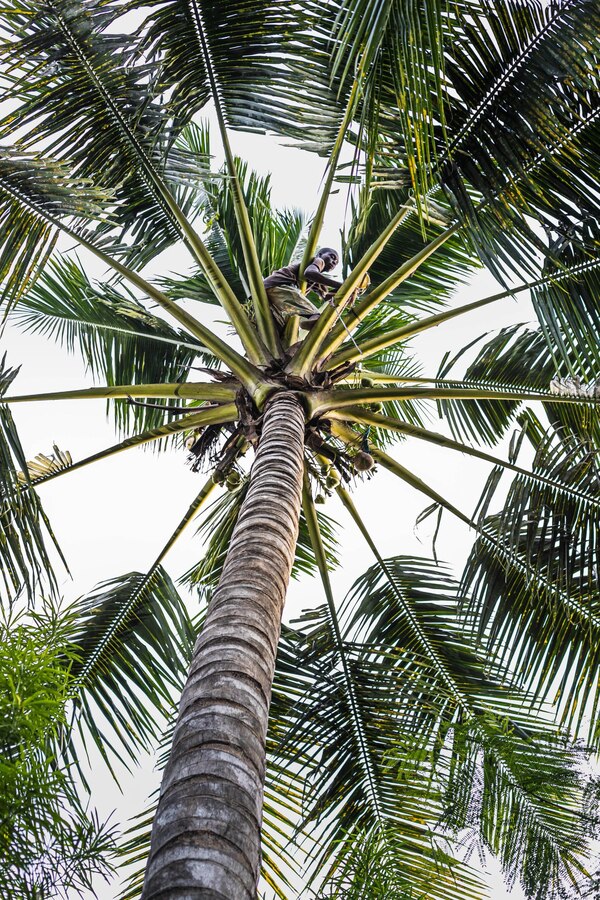
“Palm water have a seasonal variation; there are times when they are abundant, while at other times, the yield is more limited.”
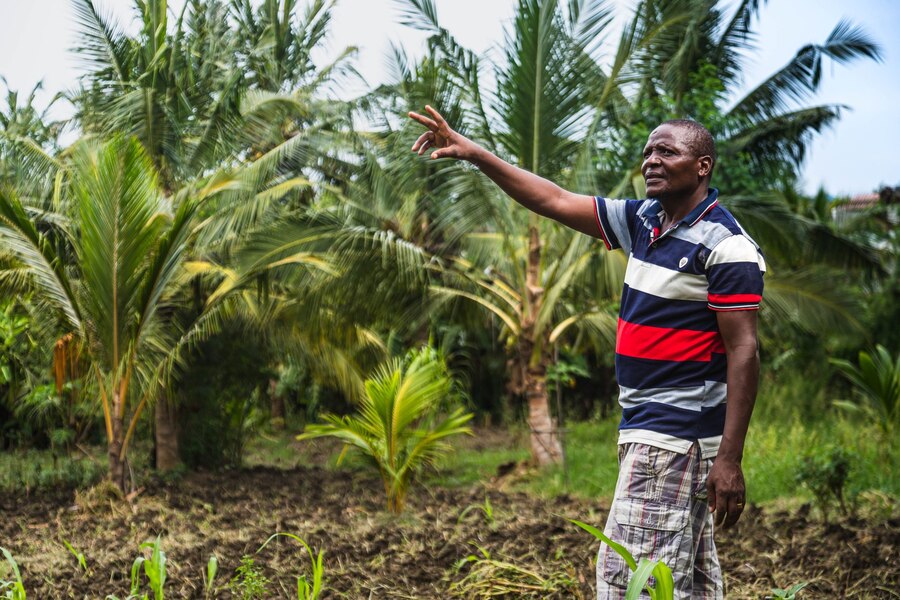
“I currently have 240 coconut trees, and an additional 58 are still in the growing phase, ensuring a continuous and consistent production.”
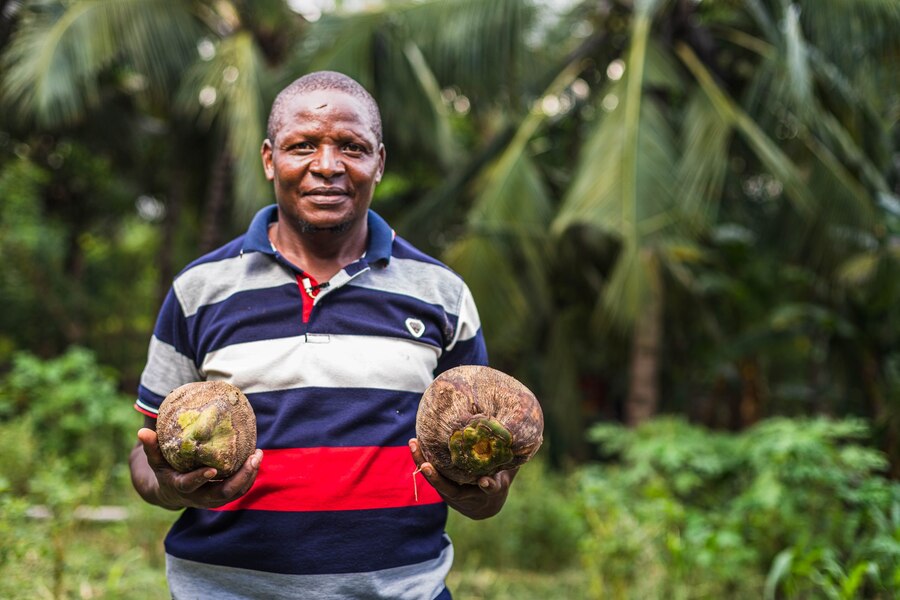
“If I secure additional funds, I would certainly expand my coconut farming operations.”
The importance of the informal economy in Kenya cannot be overstated; it accounts for 24% of Kenya’s GDP and also employs five times more workers than the formal economy.
TRANSFORM has been working to understand the current realities and future possibilities for the millions of entrepreneurial Kenyans who hustle to sustain livelihoods across the informal economy (read more about the context of the work here).
Brink, Procol Africa, Busara, Laterite, Ideas Unplugged, and TRANSFORM have collaborated throughout to deliver this work, alongside hundreds of ecosystem actors and informal economy entrepreneurs.
These blogs offer an insight into the lives of some informal workers we spoke to over the course of the project, told through images.
Area of focus
Future of work
Geography
Kenya
Share this material


